 Shine
Marble polishing
A sequence of diamond abrasives to reach the honed, satin or high-gloss finish you prefer.
Polishing, crystallisation, grinding, repair and sealing of marble, from the palazzi of Brera to the villas of Lake Como.
Milan is a city of marble. You find it underfoot in nineteenth-century palazzi, on the worn treads of communal staircases, across the lobbies of post-war apartment buildings and on kitchen worktops marked by lemon juice or red wine. Each of these surfaces ages differently, depending on the stone, how it was laid and how it is used. Les Traitements du Sud brings a single craft to Milan: giving marble back its flatness, its shine and its protection by working the stone itself rather than hiding it under wax or varnish.
Every job starts with a visit. We identify the marble, assess the wear, check the grout lines and any lipping between tiles, then recommend the combination of treatments that suits your stone. The written quote that follows is detailed and free of charge.
We regularly work in occupied homes, in building lobbies that stay open to residents, and in hotels and boutiques that cannot close their doors. The schedule is built around your day, not ours.
Marble is a calcareous stone. Acids etch it, grit scratches it and foot traffic dulls it, yet it can almost always be brought back. The right technique depends on the stone and the damage, never on a price list.
ShineA sequence of diamond abrasives to reach the honed, satin or high-gloss finish you prefer.
 Hardened surface
A controlled chemical reaction that makes the surface harder and more reflective, ideal for busy areas.
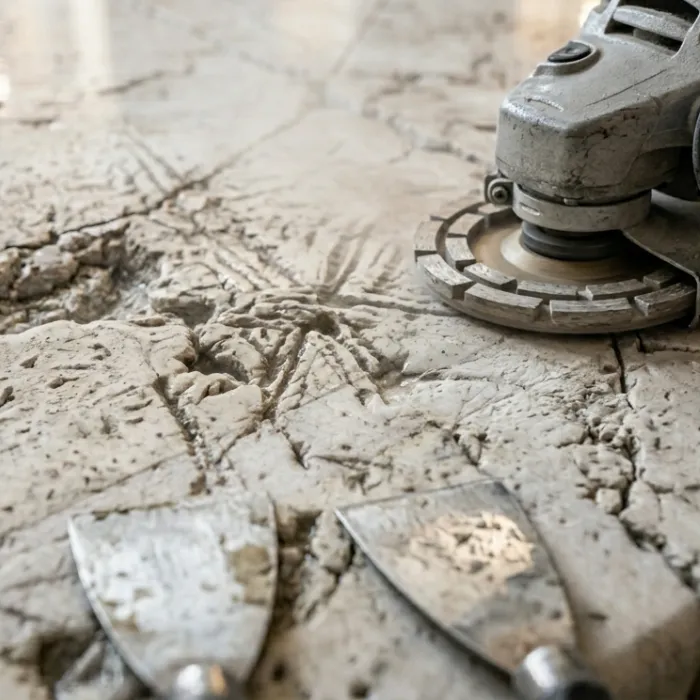 Flatness
For deeply scratched floors, uneven tiles or old coatings that need to come off.
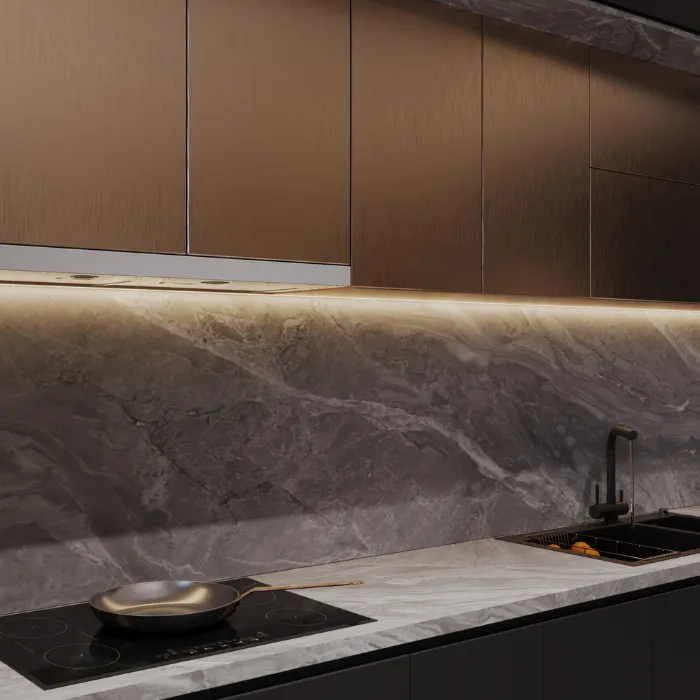 Restoration
Chips, cracks and broken step edges, filled and rebuilt in a matching colour.
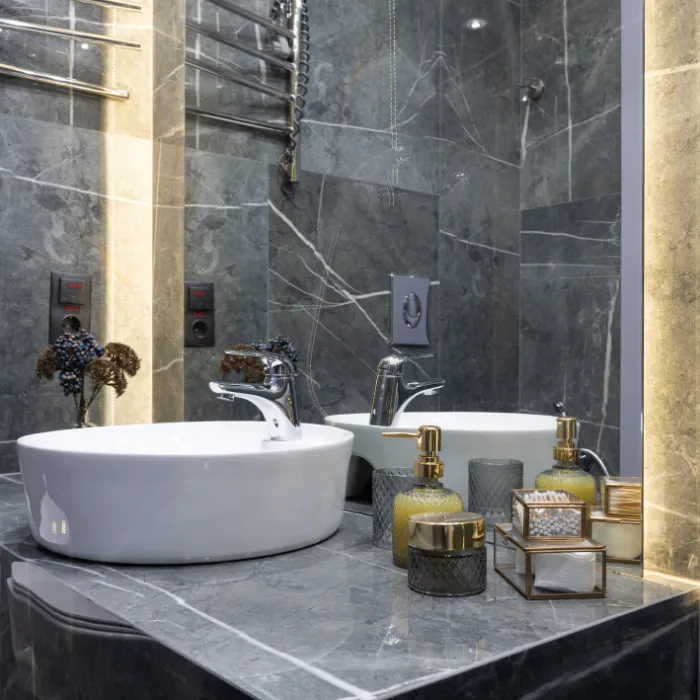 Stains
Etch marks, rust, oil and limescale: each stain has its own chemistry and dwell time.
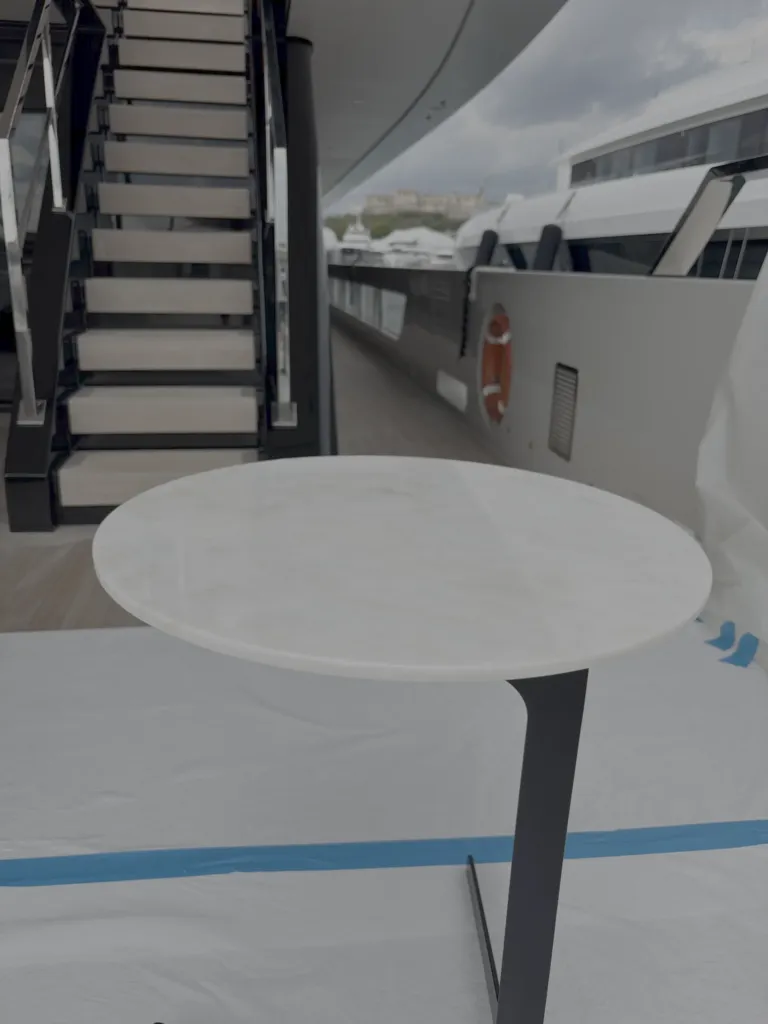 Protection
Breathable water and oil repellents that slow absorption without changing the look of the stone.
 Continuity
Scheduled visits for buildings, hotels and shops, so the stone never slides back to square one.
 Steps
From the first visit to handover, how a project unfolds in practice.
 Guides
Daily cleaning, stains, polishing versus crystallisation: practical answers.
A stair tread does not wear like a kitchen worktop, and a lobby crossed by dozens of people a day ages differently from a private bathroom.
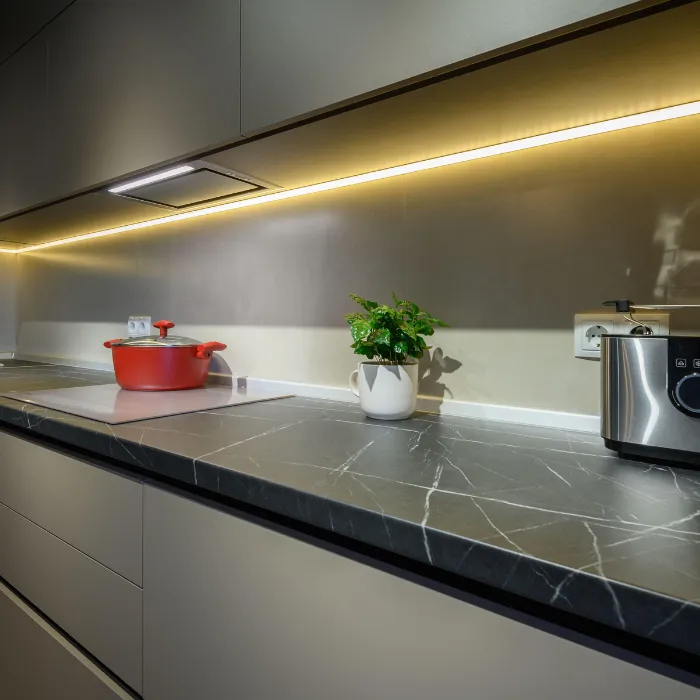
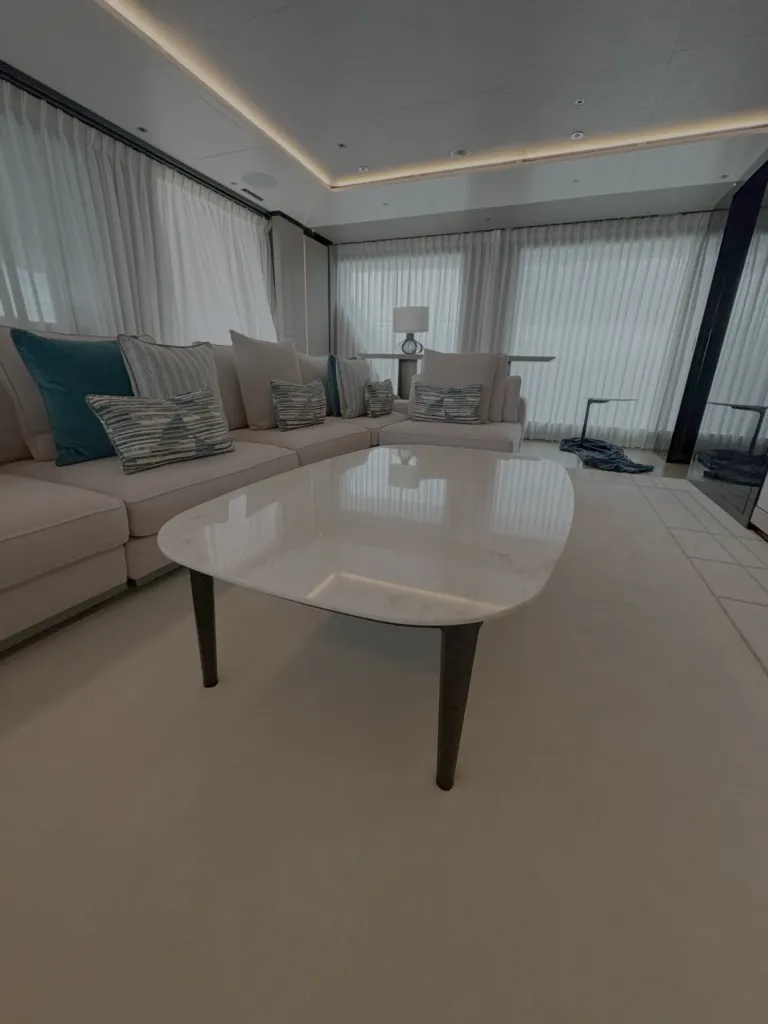
Living rooms, corridors and entrance halls: grinding, polishing and joint repair over large areas.
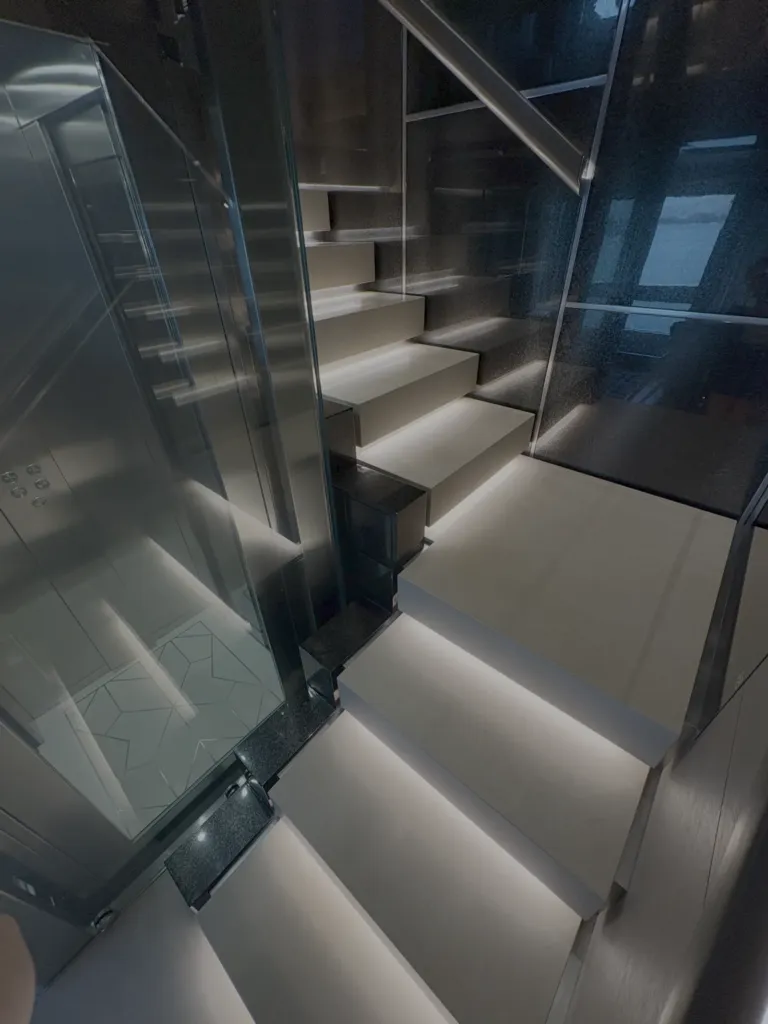
Hollowed treads, chipped nosings and stained risers, dealt with step by step.
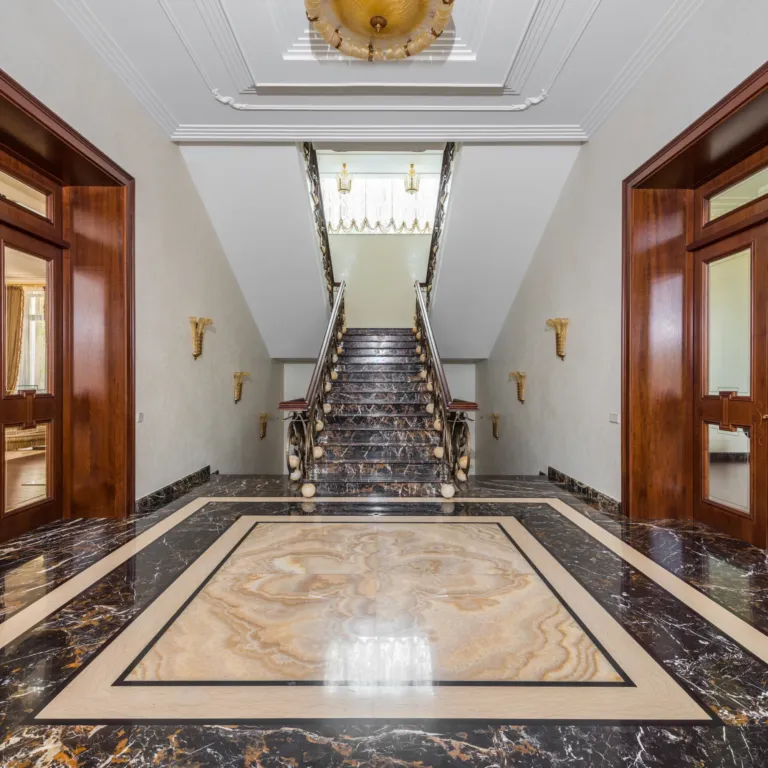
Entrance halls in Botticino, Ceppo or Carrara, treated without blocking access.
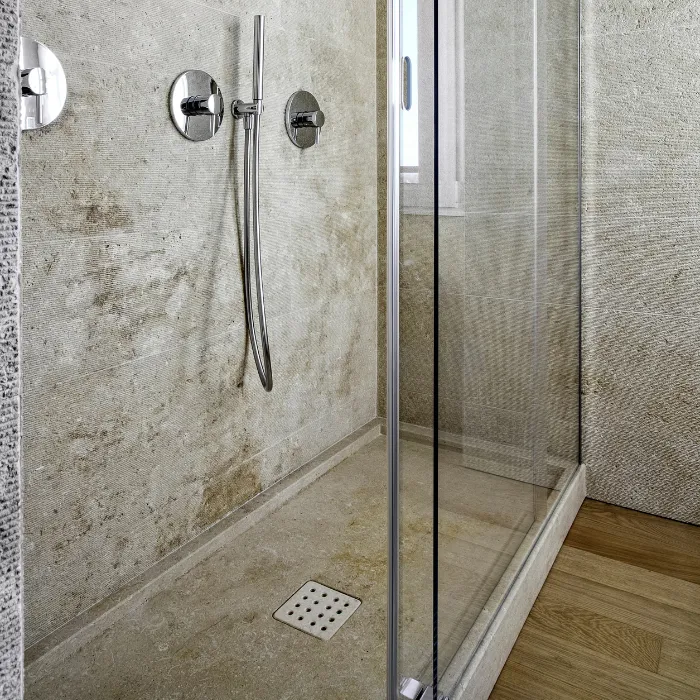
Shower trays, wall cladding and basins dulled by limescale and harsh cleaners.
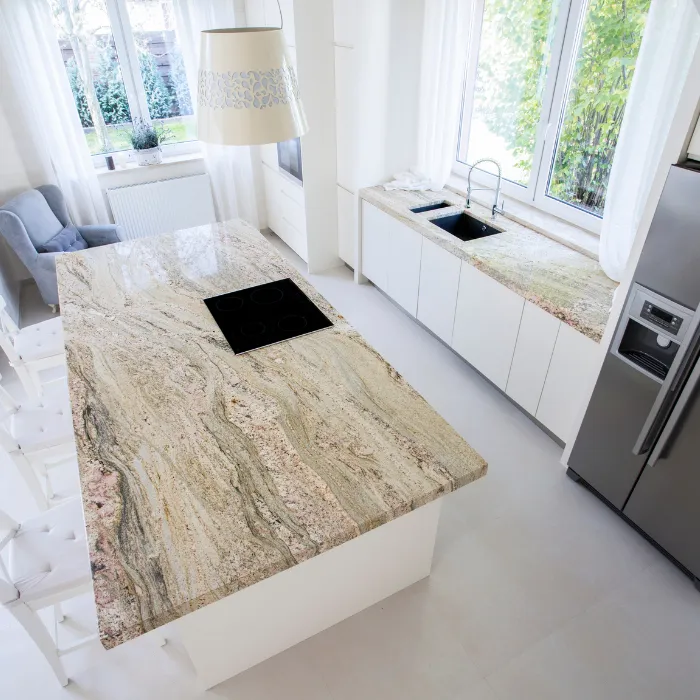
Lemon, vinegar and wine marks, dull patches around the sink, stain-resistant sealing.

Soot, yellowing and chipped surrounds: the fireplace becomes the centrepiece again.
The cathedral is clad in Candoglia marble, quarried in the Val d’Ossola and carried for centuries along the waterways into the city. Ceppo di Gré, pink Baveno granite and Botticino from the Brescia area appear on façades, plinths and staircases across whole districts. That familiarity with stone carries indoors: in the nineteenth-century palazzi of Brera and Magenta, the Liberty buildings around Porta Venezia, the rationalist apartment blocks of the 1930s, the generous lobbies of the 1950s and 1960s, and the contemporary towers of Porta Nuova and CityLife.
Each period brings its own marbles, laying methods and typical problems. An old floor may have slightly uneven slabs and yellowed layers of wax. A 1960s lobby often shows a dull track between the front door and the lift. A modern Calacatta bathroom mostly suffers from the hard Milanese water. Recognising these differences is the first step towards a sound restoration.
Logistics matter too. Vehicle access to the centre is controlled by the Area C scheme, parking is scarce, lifts are often narrow and building regulations set working hours. We plan equipment and deliveries around all of this, and during Design Week in April we agree dates with showrooms and shops either side of the event.
Italian whites, Spanish blacks, reds and greens: each marble has its own hardness, porosity and reaction to acids. So our first question is always the same: which stone are we looking at?





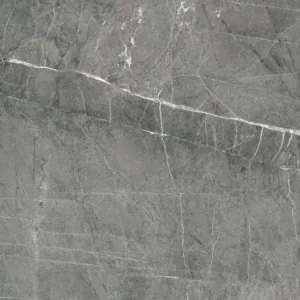
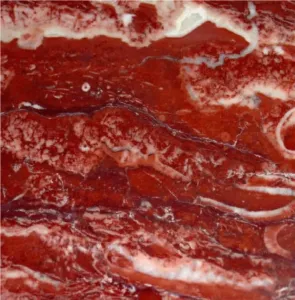
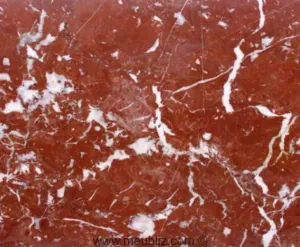
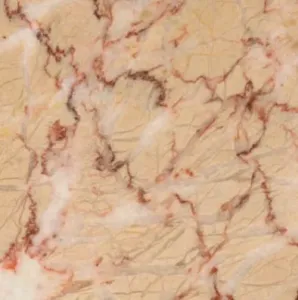
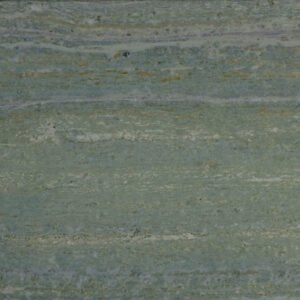
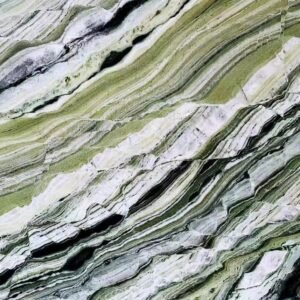

We come to you, identify the stone and assess scratches, etch marks, joints and flatness. A few photos sent on WhatsApp are a good place to start.
You receive a clear document listing the treatments, the finish you will get, the timing and access arrangements.
Skirting, furniture and walls are covered, walkways are planned and slurry is contained and removed.
Grinding, polishing or crystallisation with machines suited to the surface, including filling and repairs.
We apply the right protective treatment and leave you precise advice for everyday cleaning.
Needs vary from one client to the next: uninterrupted access, discretion, a specification to follow, a tight turnaround.
Lobbies and staircases treated in sections, with notices for residents and agreed hours. Discover
Lobbies, dining rooms and bars restored overnight or on closing days, out of guests’ way. Discover
Flawless floors and display tops, with the work done before the shop opens. Discover
Finish samples, respect for site schedules and a technical conversation. Discover
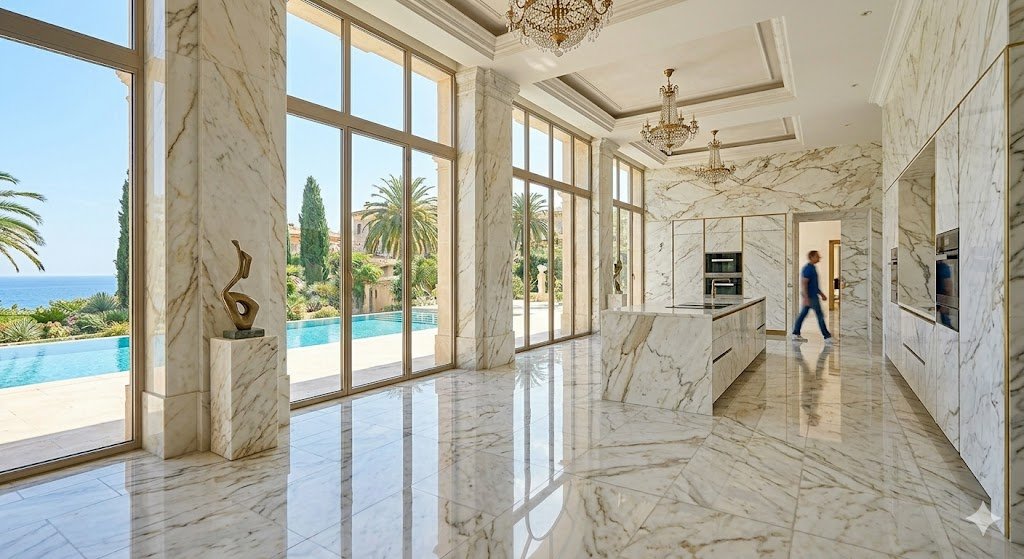
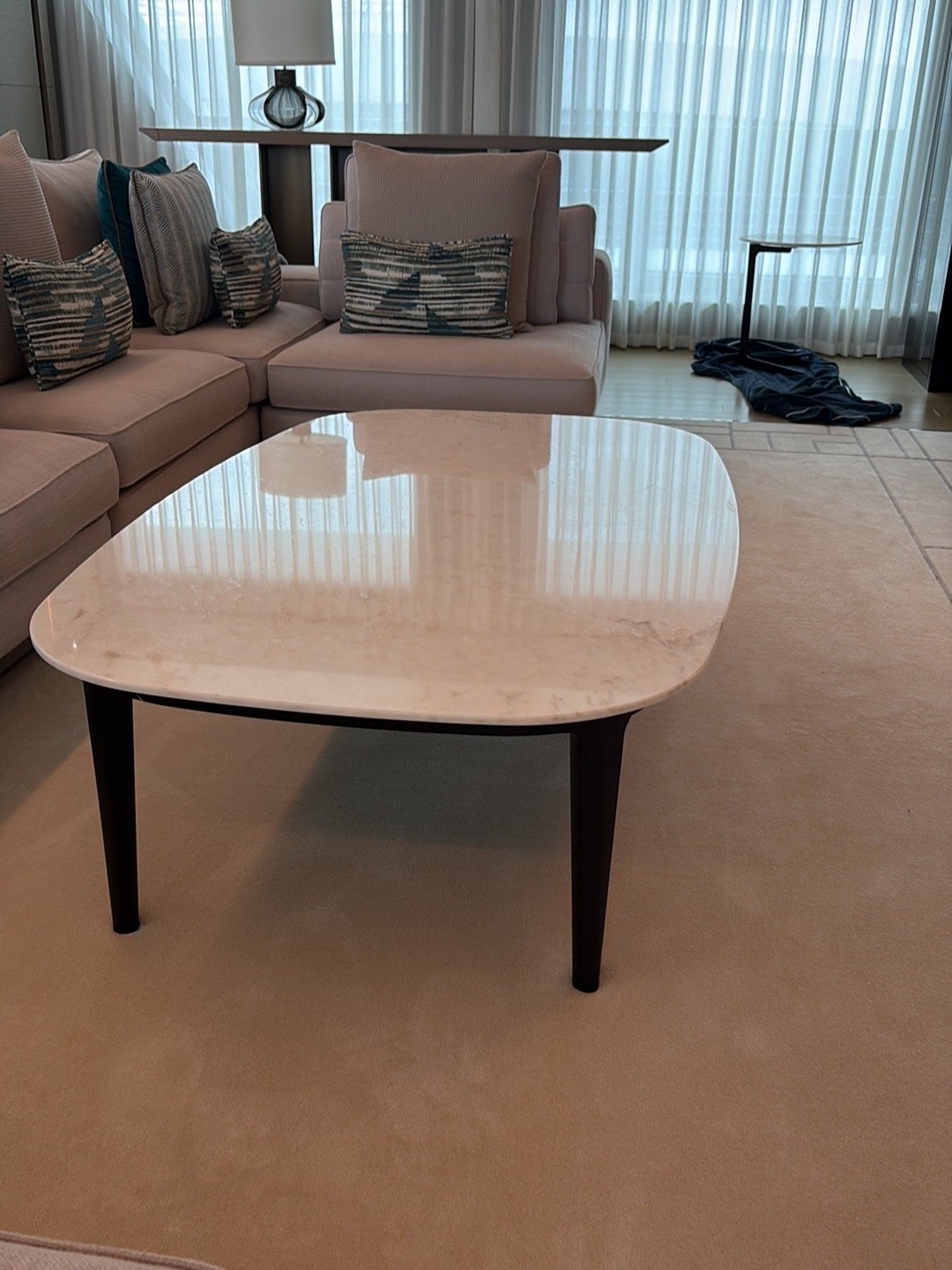
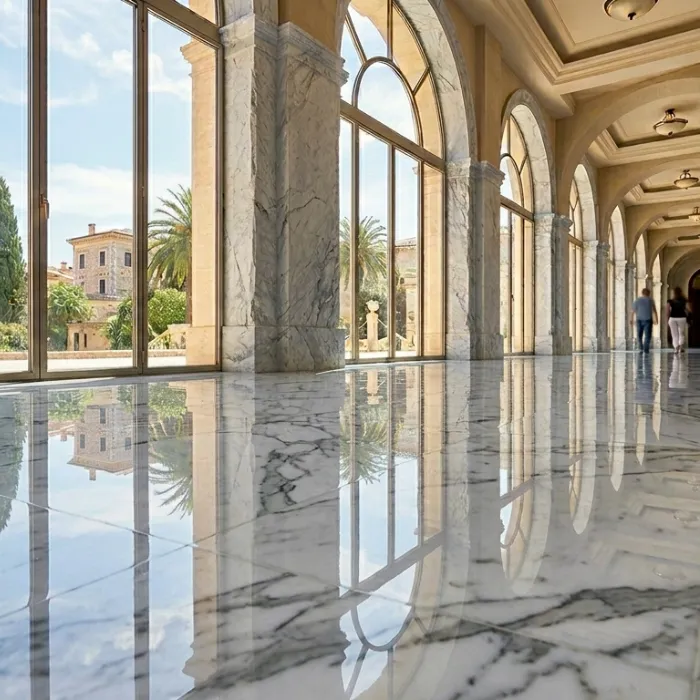
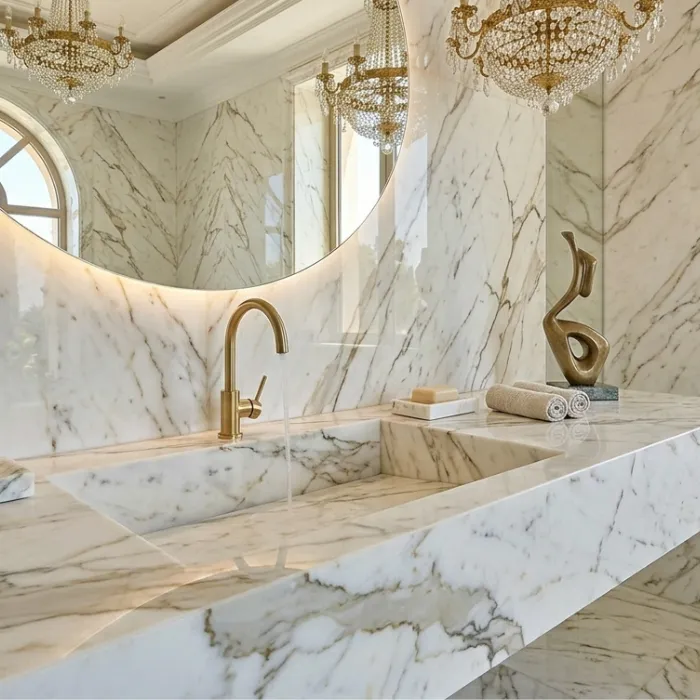
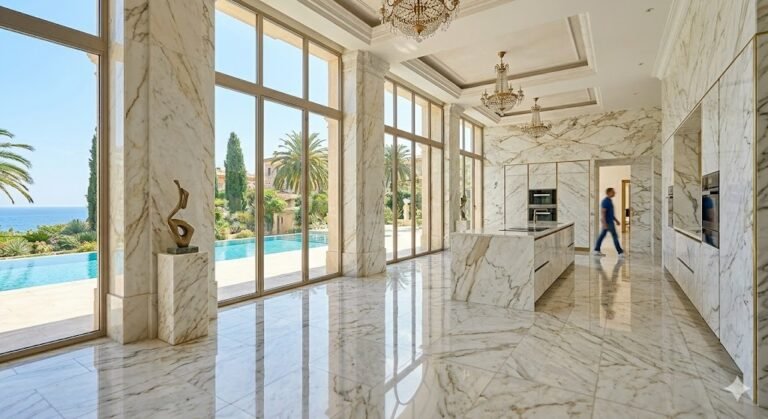
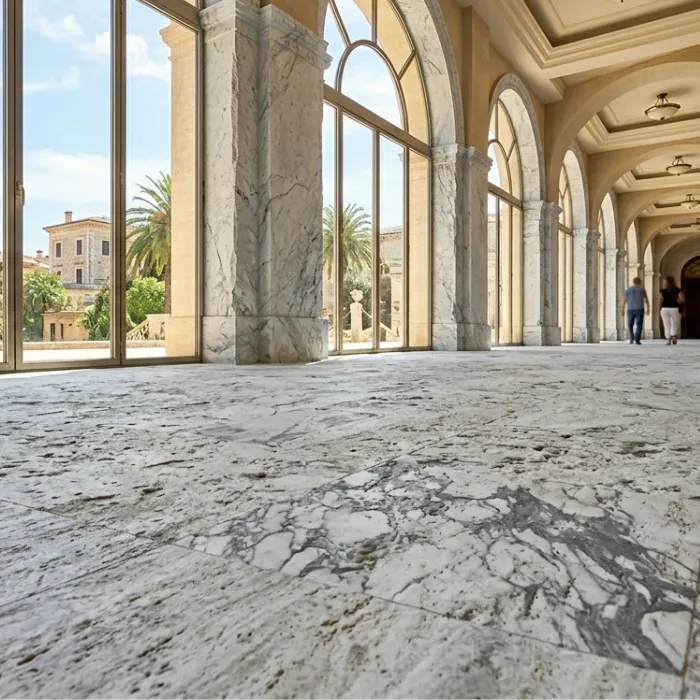
These photos come from Les Traitements du Sud projects on the French Riviera: the same techniques, the same teams and the same standard of care we bring to Milan.
We work in the Milan neighbourhoods where marble is part of everyday life, in Monza and along the shores of Lake Como, from Como to Cernobbio.
In the vast majority of cases, yes. Scratches, dullness and etch marks sit in the top layer of the stone, which can be ground and polished again. Deep fractures or crumbling slabs need repair or, occasionally, replacement; we check this during the visit and tell you plainly.
The price depends on the area, the condition of the stone, the number of passes required, any repairs and access to the site. That is why we do not publish rates: after the visit you receive a free written quote, itemised line by line.
Polishing is mechanical: ever finer abrasives leave the surface smooth and reflective. Crystallisation adds a chemical reaction that hardens the top layer of calcareous marble and makes it more resistant to foot traffic. The two are often combined.
Yes. We work room by room, cover your furniture and always leave a usable route through the property. Our machines run wet, which keeps dust to a minimum, and we tell you exactly which rooms are out of use and for how long.
Message us on WhatsApp, even just to send a few photos of your marble, or fill in the quote request form. We reply quickly to arrange a visit.
Yes, in Monza and on Lake Como, particularly in Como and Cernobbio, where villas and hotels hold some remarkable marble. For other parts of Lombardy, send us a message and we will look at it case by case.