
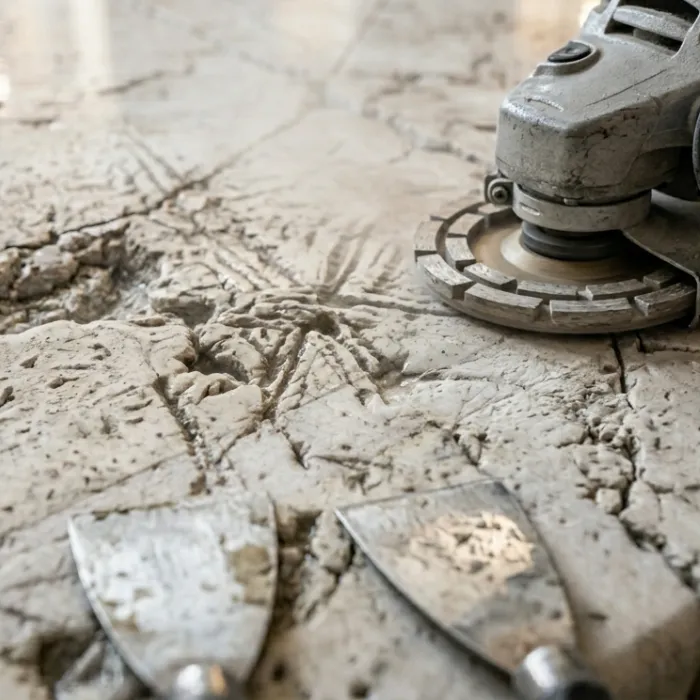
 Flatness
Marble grinding
Recovering floors with lippage and deep scratches.
Approved samples, precise specifications and delivery on programme.
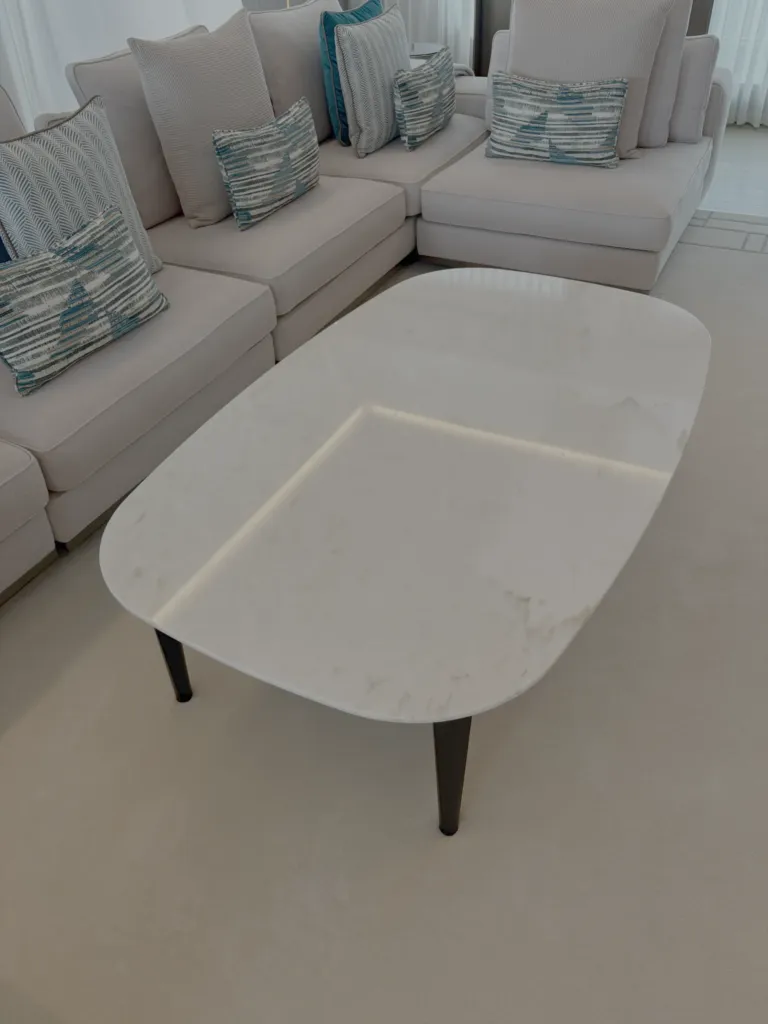
When an interior scheme includes a marble floor to recover, a period staircase to bring back or a stone worktop to finish in situ, the outcome depends on who works the surface. Marble restoration for architects in Milan is about more than execution: it calls for reliable samples, precise specification clauses, ongoing technical dialogue with the site manager and a firm grip on the programme.
Les Traitements du Sud works alongside architects, interior designers and design studios as a marble specialist – on period apartment refurbishments, office and showroom fit-outs and high-end residential schemes – always at the right point in the build sequence.
You set the design intent; we translate it into the stone, with a finish agreed in advance and delivered as specified.
High gloss, satin, honed, brushed: the words are clear on paper, but every marble interprets them differently. A satin Botticino looks nothing like a satin Calacatta, and a period floor carrying decades of wax responds differently from a freshly laid slab. We therefore produce samples in situ, on an agreed patch of the floor, or on offcuts when the material is still in storage.
Each sample is numbered and recorded with the abrasive sequence and products used. You and your client choose under the room’s actual light, and the approved sample becomes the contractual reference for the whole surface.
Technical descriptions of the marble works, ready to drop into your specification or bill of quantities.
Every finish is tested in situ and signed off before it is rolled out.
We slot into the build sequence in agreement with the site manager and other trades.
Agreed dates are a commitment: the marble never becomes the project’s bottleneck.
Projects ask for different outcomes. In a contemporary apartment, the client may want marble that looks newly laid: perfectly flat, joints barely visible, an even polish. In a nineteenth-century or Liberty building in Brera or Porta Venezia, it may be better to keep the marks of time that give the floor its character, removing only what degrades it – yellowed wax, stains, open cracks, missing fragments.
We discuss this choice from the first visit, because it changes the whole approach. Full renewal means grinding with coarse grits to restore flatness, then polishing or crystallisation. A conservation approach works at the surface, with finer abrasives, targeted chemical cleaning and colour-matched infills, keeping the patina and the slight lippage of historic slabs. Whether the stone is a traditional Lombard material such as Botticino, Ceppo di Gré or Candoglia, or an imported marble typical of twentieth-century Milanese interiors, we tailor the treatment to both the design and the material.
Many Milanese projects combine stones from different eras in a single space – an original Botticino floor beside a new Calacatta bathroom, a historic staircase leading to a contemporary mezzanine. We balance the sheen levels so that the transition between old and new reads as deliberate.

Marble should be treated once the dustiest, most aggressive trades have finished – demolition, chasing, plastering, ceilings – and ideally before bespoke joinery and final decoration. We agree access, water and power, waste handling and temporary protection of the finished floor with the site manager, and can return for a touch-up polish after the last trades have left.
With you or the site manager: stones identified, defects recorded, flatness and grout checked.
Specification wording and a detailed quote by surface and treatment.
Numbered, documented finish trials for client approval.
Carried out in the window set by the programme, alongside other trades.
Protective treatment, temporary cover until completion and a care sheet for the client.
FlatnessRecovering floors with lippage and deep scratches.
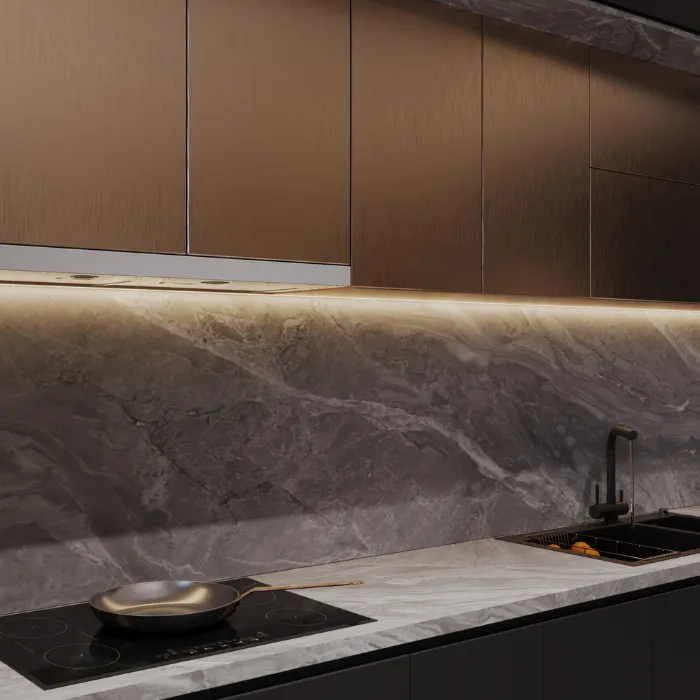 Infills
Colour-matched filling, rebuilt edges and missing fragments.
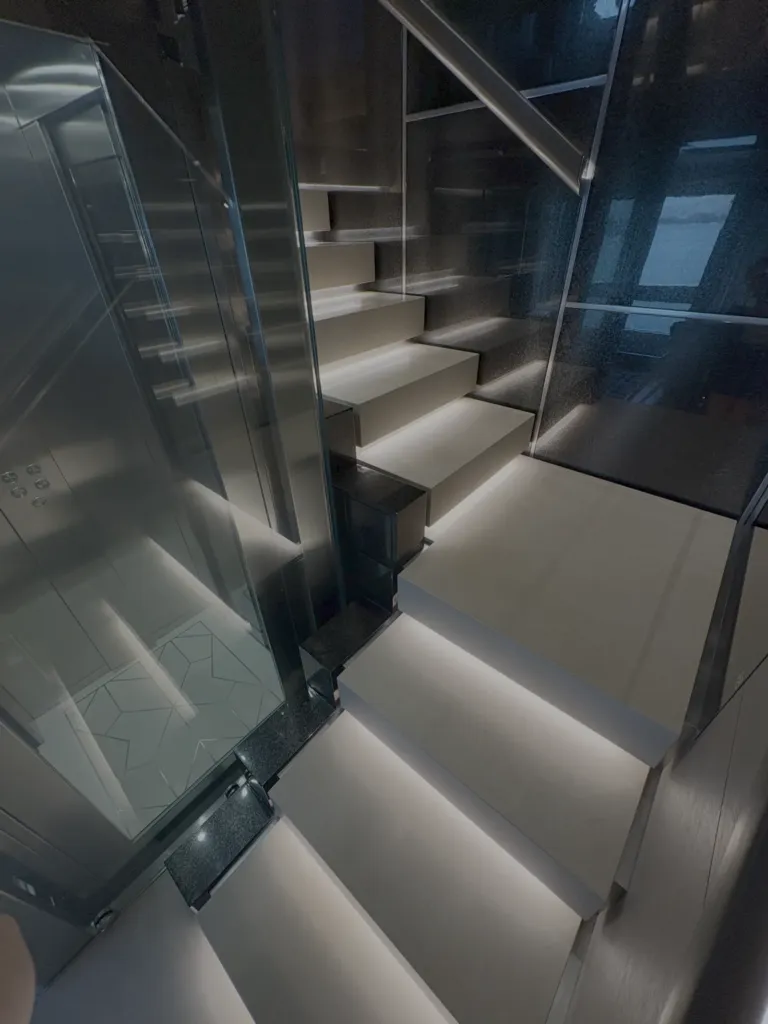 Surface
Period and contemporary stairs restored tread by tread.
Yes. After the survey we write descriptions of the planned works – areas, abrasive sequences, fillers, sealers and expected finish – ready for your specification or bill of quantities, and adaptable to your studio’s format.
We prepare trials on an agreed patch of floor or on offcuts, each numbered and recorded with its work sequence. You and your client review them in the room’s real light; the approved sample becomes the benchmark for the whole surface.
Ideally after the dustiest trades and before bespoke joinery and final coats of paint. We then protect the finished floor until handover and, if needed, return for a touch-up polish once the last trades have gone.
It depends on the scheme and the stone. Renewal restores flatness and an even shine; conservation removes damage while keeping patina and character. We discuss it with you at the first visit and can show both options as samples.
Area, type of marble, starting condition, chosen finish, amount of repair and site constraints such as access, hours and sequencing with other trades. The survey and written quote are free.
Message us on WhatsApp, with drawings or site photos if you have them, or use the quote request form. We will reply promptly to arrange a technical visit with you or the site manager.
Share your project details on WhatsApp or via the form: we will prepare samples and a free quote.