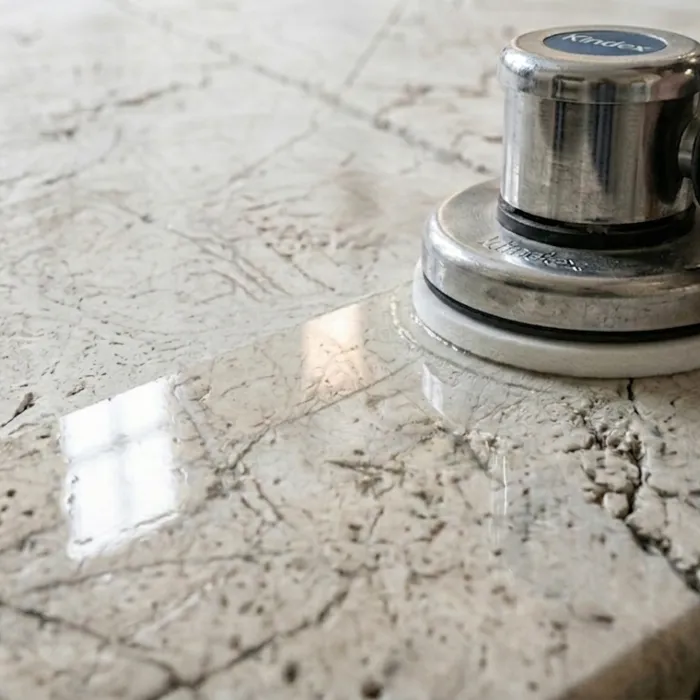
 Before sealing
Marble polishing
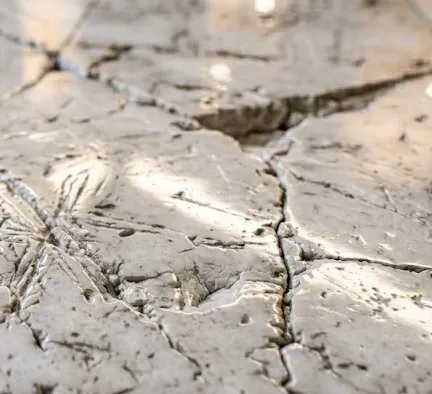
A sealer performs best on stone that is already polished and even.
Breathable impregnators that slow stains and absorption without changing the finish of your stone.
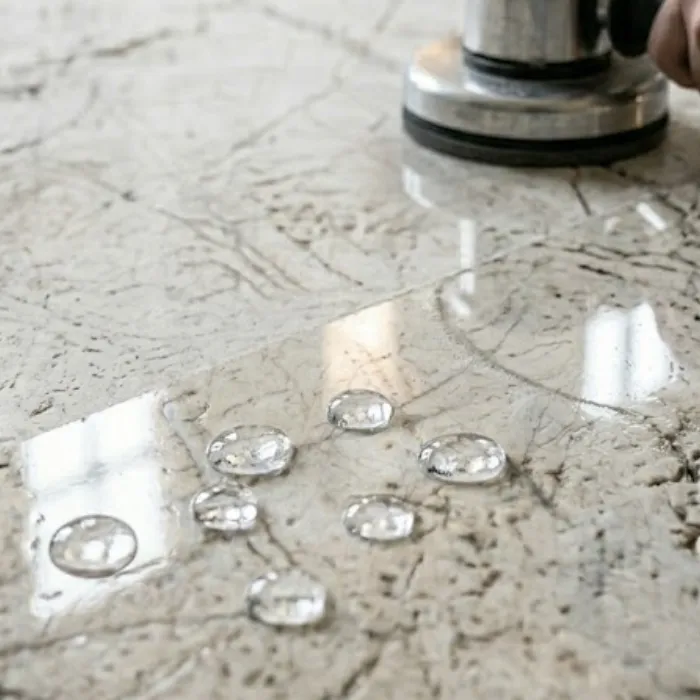
Good marble sealing in Milan should not change how your stone looks; it changes how it behaves. Freshly polished or honed marble is clean and smooth, but it is also open. Its pores will take in water, oil, wine and coffee just as readily as before. A sealer slows that absorption down, giving you time to wipe up a spill before it becomes a stain.
We use breathable water- and oil-repellent impregnators that soak into the stone rather than sitting on top of it. The marble can still release moisture, and the finish you chose – gloss, satin or honed – is left exactly as it is. You will not see or feel the treatment. You will notice it the next time something is spilt.
The product is matched to the stone and to how the surface is used. A kitchen worktop, a shower, a busy communal lobby and a rain-exposed terrace each need something slightly different.
Plenty of products claim to protect marble. They work in opposite ways, and the choice will shape how the stone looks and ages for years.
They penetrate the top few millimetres and line the pores without blocking them, making the stone water-repellent and, with the right formulation, oil-repellent too. No film, nothing to wear off underfoot, no yellowing. This is what we use in the vast majority of cases.
A surface layer that gives instant shine but scratches easily, traps dirt and builds up coat after coat, turning yellow on white marble. It offers no defence against acids. Stripping old wax is one of the most common jobs on period floors.
A continuous plastic coat over the stone. Effective at first, then marked along walkways, peeling and trapping moisture underneath. The marble looks artificial and future care becomes awkward.
A good impregnator dramatically slows the uptake of water and grease. A drop of oil on a sealed worktop sits on the surface long enough to be wiped away without a trace. On an entrance floor, grime penetrates less and daily cleaning gets easier. In showers, limescale clings less and comes off with neutral cleaners.
What it cannot do is make marble acid-proof. Lemon, vinegar and aggressive descalers attack the calcium carbonate itself, and a sealer only lines the pores. On a sealed worktop an oil stain becomes rare, but a lemon etch mark is still possible if the juice is left sitting. For those, there is marble stain removal and, if needed, a local polish. Nor does sealing hide scratches or dullness: it goes onto stone that is already in good condition, or as the last stage of a restoration.
You can check this yourself in a few minutes. Put a few drops of water on an out-of-the-way spot and, next to them, a few drops of olive oil. Wait ten to fifteen minutes, then wipe.
We identify the stone, look for old wax or varnish and run a drop test to measure real absorption.
Dirt and old coatings come off, then the stone is left to dry fully. Damp marble will not take in the sealer.
The impregnator is applied evenly, with extra attention to joints and the more porous areas.
Anything not absorbed is taken off before it dries, so no sticky or shiny patches are left behind.
We tell you when you can walk on the surface again and when it is ready for normal use and cleaning.
No sealer lasts for ever. Its life depends on how porous the marble is, how much traffic it takes and what it is cleaned with. On a sitting-room floor or wall cladding it can last several years; on a daily-use worktop, in a shower or in a lobby crossed by dozens of residents it wears faster, especially along the main routes.
Repeating the drop test from time to time on the busiest spots is the most reliable guide. Once water starts to darken the stone, it is time. Resealing is a light job – clean, dry, reapply – with no need to hone. For buildings, hotels and shops we are happy to include it in a marble maintenance programme so it never gets forgotten. Neutral pH cleaners help the sealer last; strong degreasers and descalers wear it away sooner.
In bathrooms, where Milan’s mains water is hard, a water-repellent helps keep limescale from bonding to shower trays and cladding. In kitchens we choose an oil-repellent suitable for food contact. In Botticino or Carrara lobbies we favour products that stand up to wear and frequent mopping. On terraces and balconies the sealer has to cope with UV and with freeze–thaw cycles in a Lombard winter while still letting the stone dry out. On coloured or mirror-polished marbles we always check that the product does not leave a wet look or shift the tone – unless an enhancing impregnator that deepens the colour is exactly what you want.
Before sealingA sealer performs best on stone that is already polished and even.
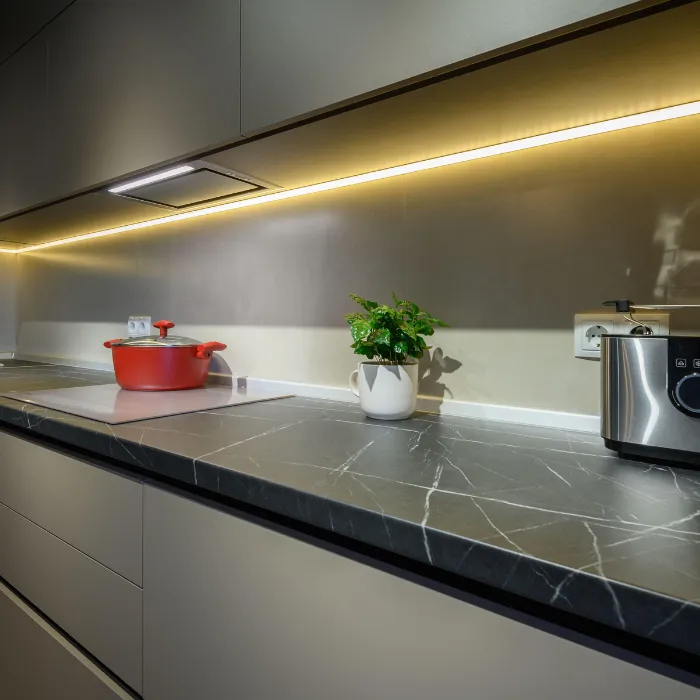 Stain resistance
Food-safe oil-repellents and practical advice for everyday use.
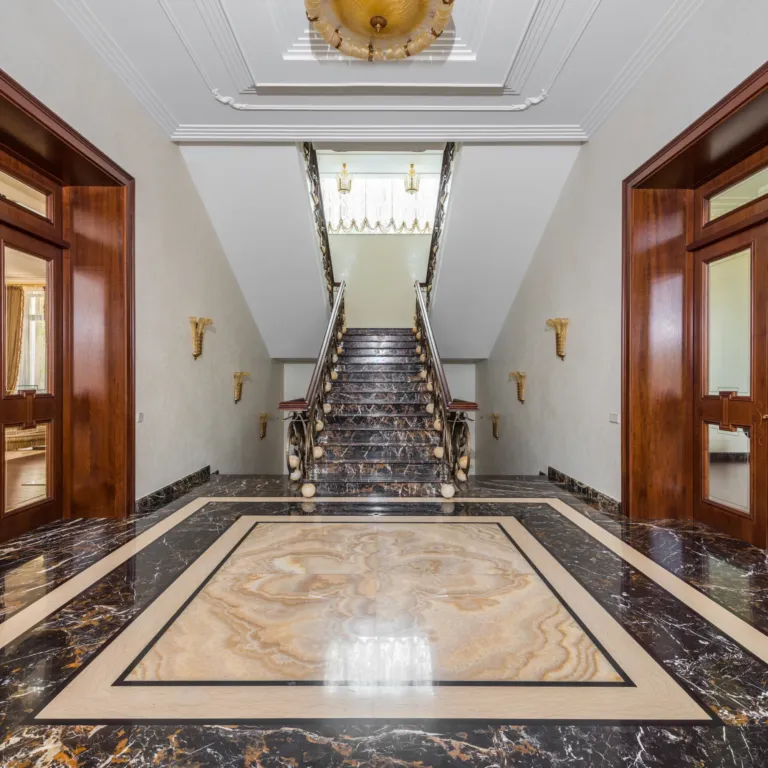 Heavy traffic
Protection and scheduled renewals for the busiest entrances.
A good breathable impregnator leaves no film and does not alter the finish. On some stones it can deepen the colour slightly, so we always test a hidden area first and show you the result.
No. A sealer slows water and oil absorption but cannot stop acids attacking the stone itself. Wiping up lemon, vinegar or wine promptly is still essential, and any etch marks can be polished out locally.
Almost always an impregnator. Wax gives quick shine but scratches, builds up and yellows. An impregnator works inside the stone, stays invisible and does not wear off underfoot like a surface coat.
It depends on the area, the type and porosity of the stone, whether old wax has to be stripped, the product required and access. After the visit you receive a free written quote that names the product and its care conditions.
Message us on WhatsApp – a photo of your own drop test is very useful – or fill in the quote request form. We will reply quickly to arrange a visit.
Get in touch on WhatsApp or through the form. We will assess how your stone absorbs and recommend the right sealer. The quote is free.